Stimulus Check: What It Is, Who Qualifies & How to Claim
A stimulus check is one of the most powerful tools a government has to put money directly into people’s hands during a financial crisis. Between 2020 and 2021, the U.S. Federal government issued three rounds of checks. Officially called Economic Impact Payments. Sending over $800 billion to American households.
Whether you received all three payments, missed one, or are still unsure about your stimulus check status, this guide covers everything you need to know. With facts verified against IRS and U.S. Treasury sources.
This is not an overview. It’s the authoritative resource on stimulus checks, written for readers in the United States, the United Kingdom, Canada, France, and every English-speaking country following American economic policy.
What Is A Stimulus Check?
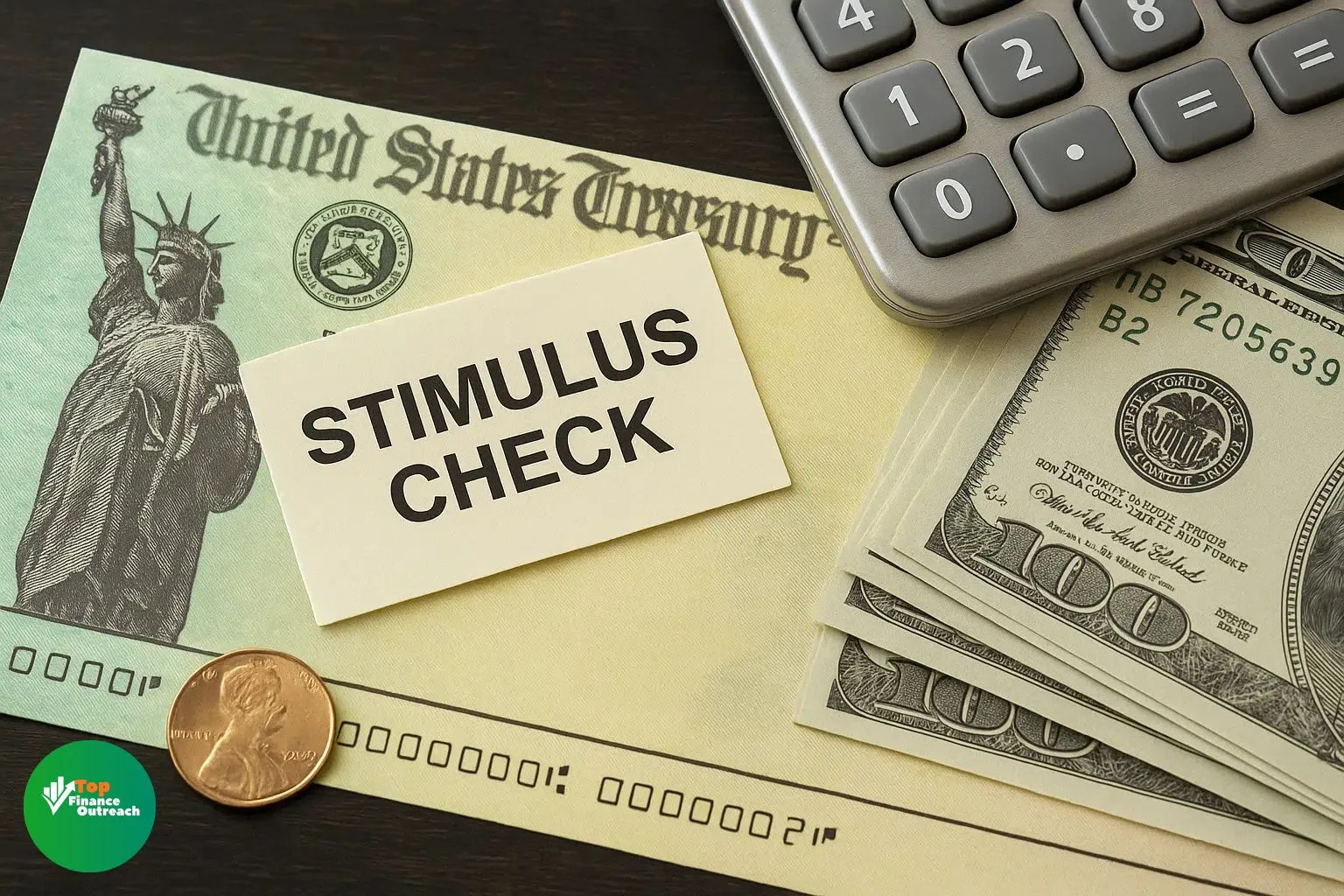
A stimulus check is a cash payment issued by the federal government to eligible individuals and families to stimulate consumer spending during an economic downturn. The official IRS term is Economic Impact Payment.
These payments are not loans. You do not repay them. They are advance tax credits. Meaning the government delivers the credit to you up front rather than making you wait until tax season.
The logic is straightforward: when people have cash, they spend it. When they spend it, businesses survive, and jobs are. The economy recovers faster. Stimulus checks are policy in action. If you want to understand how a stimulus check works and its background, you can read more about the Economic stimulus check.
A Brief History: Why Were Stimulus Checks Created?
Direct government payments to citizens are not an idea. The U.S. has used stimulus during crises before. Including the 2001 tax rebates after the dot-com crash and the 2008 tax rebate checks during the Great Recession.
The COVID-19 pandemic triggered the largest and fastest deployment of stimulus payments in American history. When the pandemic forced a total economic shutdown in March 2020, Congress acted within weeks to pass the CARES Act, authorizing the first round of stimulus checks.
The 3 Rounds of COVID-19 Stimulus Checks Explained:
Each round of checks had its own legislation, its own amounts, and its own eligibility rules. Here is what you need to know about all three.
| Round | Legislation | Per Adult | Per Child/Dependent | Income Cutoff (Single) |
| 1st (Mar 2020) | CARES Act | $1,200 | $500 (under 17) | $99,000 |
| 2nd (Dec 2020) | Consolidated Appropriations Act | $600 | $600 (under 17) | $87,000 |
| 3rd (Mar 2021) | American Rescue Plan | $1,400 | $1,400 (all dependents) | $80,000 |
Round 1. CARES Act (March 2020): Up to $1,200 per Adult
The first stimulus check came from the Coronavirus Aid, Relief, and Economic Security (CARES) Act. Single adults earning under $75,000 received $1,200. Married couples filing jointly received $2,400. Each qualifying child under 17 added $500 to the total.
For a family of four. Two adults and two children. The maximum first-round payment was $3,400. Payments phased out completely for filers above $99,000 and joint filers above $198,000.
Round 2. Consolidated Appropriations Act (December 2020): Up To $600 per Adult
The second round, authorized in December 2020, was smaller but followed the same eligibility framework. Adults received $600 each, with a $600 per qualifying child under 17. Payments began rolling out in December 2020 and continued into January 2021.
Round 3. American Rescue Plan (March 2021): Up To $1,400 per Person
The third and largest round of checks was authorized by the American Rescue Plan Act, signed on March 11 2021. This round expanded eligibility significantly: the $1,400 payment applied to all qualifying dependents, not children under 17.
That means college students’ elderly parents, claimed as dependents and adult dependents with disabilities, qualified for the first time. A household with two adults and two college-aged dependents could have received up to $5,600 in Round 3
Stimulus Check Eligibility: Who Qualifies?
Eligibility for a check was consistent across all three rounds, with minor differences. Here are the four core requirements:
U.S. Citizenship or Resident Alien Status: You must be a U.S. Citizen, permanent resident or qualifying resident alien with a work-eligible Social Security Number.
• Valid Social Security Number (SSN): ITIN- filers were generally excluded, though some exceptions applied for military spouses in Round 1.
• Not Claimed as a Dependent: You cannot be listed as a dependent on another person’s tax return (with expanded exceptions in Round 3).
• Income Within AGI Limits: Your Adjusted Gross Income must fall below the phaseout threshold for the round (see the table above).
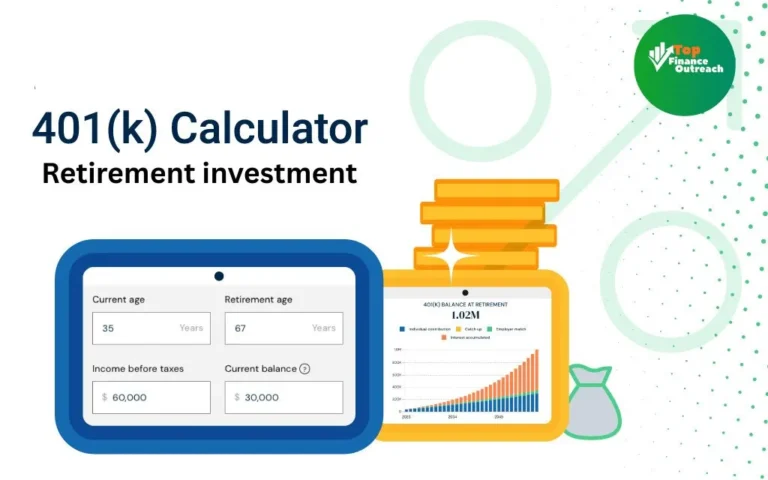
Certain groups received payments automatically with no action required: Social Security recipients, Veterans Affairs beneficiaries, Railroad Retirement beneficiaries, and SSI recipients. Wondering how far your stimulus check can go toward retirement? Use our 401(k) calculator to see exactly how even a small contribution today can grow into significant savings over time
How Was Your Stimulus Check Sent?
The IRS used three delivery methods. Knowing which one you received matters. Especially if you think you never got your payment. If your stimulus check situation involves multiple years of unfiled returns or complex income scenarios, the experts at the Big 4 accounting firms set the gold standard for professional tax guidance.
• Direct Deposit: The method, using bank account details from a previous tax return. Most people received their payment this way.
• Paper Check: Mailed to your address on file with the IRS. Could take weeks and was subject to postal delays.
• EIP Prepaid Debit Card: Mailed in a white envelope with a U.S. Treasury seal. Thousands of recipients discarded these cards, thinking they were junk mail. A mistake.
How To Check Your Stimulus Check Status
The IRS “Get My Payment” tool was the way to track your stimulus check status during the distribution periods. That tool is now discontinued. However, you can still verify your payment history by:
1. Logging in to your IRS Online Account at IRS.gov/account
2. Navigating to the Tax Records section
3. Reviewing your EIP1, EIP2 and EIP3 payment amounts
4. Cross-referencing with IRS Letter 1444 (EIP1), Letter 1444-B (EIP2), and Letter 6475 (EIP3)
Keep your IRS letters. These are the records the IRS uses to determine how much you’ve already received. And you’ll need them when claiming the Recovery Rebate Credit.
Missed A Payment? Claim The Recovery Rebate Credit
If you have never received your stimulus check. Or received less than you were entitled to. You can claim the difference through the Recovery Rebate Credit. This is a tax credit, meaning you can receive it as a refund even if you owe no taxes.
KEY FACT: In December 2024, the IRS announced payments to approximately 1 million taxpayers who
were eligible for the 2021 Recovery Rebate Credit but had not claimed it on their returns. These payments
were deposited directly. Mailed by check with no action required from recipients.
How To Claim The Recovery Rebate Credit Step By Step
1. Gather your IRS Letters 1444, 1444-B, and 6475 to confirm which payments you received.
2. Log in to your IRS Online Account at IRS.gov to verify your payment history.
3. File your 2020 tax return (Form 1040) to claim EIP1 and/or EIP2 credits.
4. File your 2021 tax return (Form 1040 or 1040-SR) to claim the EIP3 credit.
5. If you already filed without claiming the credit, submit an amended return using Form 1040-X.
For guidance on claiming your Recovery Rebate Credit, visit the official IRS page at IRS.gov/rrc.
Smart Ways To Use Your Stimulus Check
Receiving a stimulus check is one thing. Using it wisely is another. Financial advisors consistently recommend this priority order:
• Cover Essential Expenses First: Rent, mortgage, utilities, food, and healthcare always come before anything. The stimulus was designed for this purpose.
• Pay Down High-Interest Debt: Credit card balances, at 20%+ APR, drain your finances faster than any investment can compensate. Paying these down is a guaranteed return. If you received a stimulus check and want to grow it safely, consider putting it into a CD investment, one of the lowest-risk ways to earn guaranteed returns on your money.
• Build an Emergency Fund: You should try to save one to three months of living expenses in a savings account. We learned from the pandemic that financial emergencies can happen to anyone.
• Invest for the Long Term: If you have money for your essentials and your debt is under control, think about putting money into a Roth IRA, 401(k), or low-cost index funds.
• Support Your Local Economy: When you spend money at restaurants, shops, and service providers, it helps your community a lot.
Will There Be A Stimulus Check In 2025 or 2026?

As of May 2026, the government has not approved a stimulus check. Even though some people have started petitions, no new law has been passed.
However, some states have started their relief programs. States like California, Colorado, Illinois, and New Jersey have given their residents rebates or tax credits.
FAQs
Do I have to pay back my check?
No. The stimulus check is not a loan. It is money from the government to help you. You do not have to pay it back. It will not affect your taxes in the future.
Is a check considered taxable income?
No. The stimulus payment is not taxable. It does not count as income. It does not affect whether you can get other benefits.
Can I still claim a check I never received?
Yes, you can. You can claim the Recovery Rebate Credit when you file your taxes. You can ask a tax professional for help. Visit IRS.gov.
What if I didn’t file taxes? Was I still eligible for a check?
Yes. Even people who did not file taxes were eligible for the payment. If you got Social Security or other benefits, you got the payment automatically. If not, you could register on the IRS website to get your payment.
How does a stimulus check affect my 2020 or 2021 tax return?
The stimulus check reduces the amount of the Recovery Rebate Credit you can claim. If you got the amount, you do not need to claim anything. If you got less than you were supposed to you can claim the difference as a credit.
conclusion:
The stimulus check program was a help to many people during the pandemic. It gave money to over 160 million households in the United States.
If you got all three checks and used them wisely, you did a good job. If you think you missed a check or did not get enough, you can still claim the Recovery Rebate Credit.
Keep yourself informed about what’s happening with the economy and new relief programs. You can check the IRS website, follow your state’s revenue authority, and ask a tax professional for help if you need it. Knowing the rules can help you with your money.