How to Pay Off Credit Card Debt: 8 Proven Strategies
Paying off credit card debt is one of the financially damaging burdens a person can carry. And one of the easiest to underestimate. Unlike a mortgage or car loan, credit card balances compound daily. What starts as an amount can silently grow into an overwhelming liability even at seemingly reasonable interest rates.
The reality is that the average American carries $6,730 in credit card debt as of 2024. Combined across the country, that figure exceeds $1.12 trillion. It keeps climbing. Canadians face a troubling picture with households carrying some of the highest debt-to-income ratios in the developed world.
If you’re searching for ways to pay off credit card debt fast, you already understand the urgency. This guide breaks down eight strategies that financial experts recommend. Each is suited to financial situations. So you can choose the right approach and finally get debt-free.
The True Costs Of Carrying Credit Card Debt:
Before choosing a strategy, it’s worth understanding what credit card debt is costing you. US credit cards charge between 20% and 30% interest, far higher than mortgages, home equity lines, or car loans. This makes credit card debt the most expensive debt most people carry.
The trap that catches millions of people is payments. Consider a $5,000 balance on a card charging 24% interest. Paying the minimum each month means you’ll be repaying that debt for over 17 years. And you’ll pay more than $7,000 in interest alone before the balance is cleared. The original purchase costs you twice by the time it’s paid off.
Understanding this dynamic is the first step toward taking aggressive action.
One Step: Complete A Debt Audit:
Before selecting a repayment method, gather the following information for every credit card you carry: the outstanding balance, the annual interest rate, the minimum monthly payment, your credit limit, current utilization rate, and any promotional or special rates in effect.
Organize this in a spreadsheet. Use a free budgeting tool such as Mint, YNAB, or the FCACs Budget Planner. This single exercise frequently reveals that the true cost of your debt is significantly higher than you realized. And that revelation alone can be a motivator to act immediately.
Strategy 1: The Debt Avalanche Method:
The debt avalanche method is the optimal way to eliminate credit card debt. You make payments on all cards except the one carrying the highest interest rate. Every extra dollar goes toward that balance. Once it’s cleared, you redirect that payment plus the card’s minimum toward the account with the next highest rate.
This method minimizes the interest you pay over time. For people carrying balances at varying interest rates, the avalanche approach can save hundreds to thousands of dollars compared to repayment.
Best for: People motivated by long-term savings and comfortable tracking numbers over time.
Strategy 2: The Debt Snowball Method:
The debt snowball method prioritizes the balance rather than the highest interest rate. You direct payments toward the card with the lowest balance while maintaining minimums on everything else. When that debt is eliminated, you roll its payment into the smallest balance and continue the pattern.
This method consistently produces follow-through among real-world users. Eliminating an account entirely. Getting one monthly bill. Provides a psychological win that keeps momentum going. Research supports the idea that small victories in debt repayment are genuinely motivating and reduce the likelihood of giving up.
As technology continues to reshape how people manage and repay debt, it’s worth understanding the tools. For insights on how technology is shaping these financial strategies, check out the future of fintech.
Best for: People who have struggled to stay consistent with repayment and need progress to stay motivated.
Strategy 3: Balance Transfer to a 0% Introductory APR Card:
A balance transfer moves existing high-interest credit card debt onto a card offering a 0% introductory interest rate for a defined promotional period. During this window, every payment you make reduces the principal more directly than servicing interest charges.
For example, if you carry $6,000 at 22% interest and qualify for a card offering 0% interest for 18 months, paying $333 monthly clears the balance entirely. Saving over $1,300 compared to repayment.
Before pursuing this route, consider the following: balance transfer fees typically range from 3% to 5% of the transferred amount; the interest rate after the period may be higher than your current rate; a strong credit score is generally required to qualify; and purchases made on the transfer card may accrue interest immediately separate from the transferred balance.
Best for: People with good-to-excellent credit who can commit to repayment within the promotional window.
Strategy 4: Debt Consolidation Loan:
A debt consolidation loan replaces credit card balances with a single personal loan, typically at a lower fixed interest rate. This approach simplifies repayment. Potentially reduces your monthly interest burden significantly.
According to the Consumer Financial Protection Bureau, personal loan interest rates for borrowers typically range from 7% to 14%. A dramatic improvement over the 20%+ rates common on credit cards. Over a three-to-five-year repayment term, this difference can translate into thousands of dollars in savings.
You can explore consolidation options through credit unions, community & dwp banks, and reputable online lenders such as SoFi, LightStream, m, and Marcus by Goldman Sachs.
Best for: Borrowers with high-interest balances, stable employment history, and credit scores that qualify for competitive loan rates.
Strategy 5: Negotiate a Lower Interest Rate:
One of the underutilized debt repayment tools is also one of the simplest: calling your credit card issuer and asking for a lower interest rate. This strategy costs nothing. When successful, it immediately slows the rate at which your balance compounds.
Credit card companies would rather retain a customer than lose them to a balance transfer or consolidation. If you have a history of on-time payments and a reasonable credit score, you have negotiating leverage. When you call, reference competitive offers you’ve received and highlight your payment history. Studies have found that 70% of cardholders who asked for a rate reduction received one.
Best for: standing customers with consistent payment histories who haven’t previously requested a rate reduction.
Strategy 6: Implement a Zero-Based Budget:
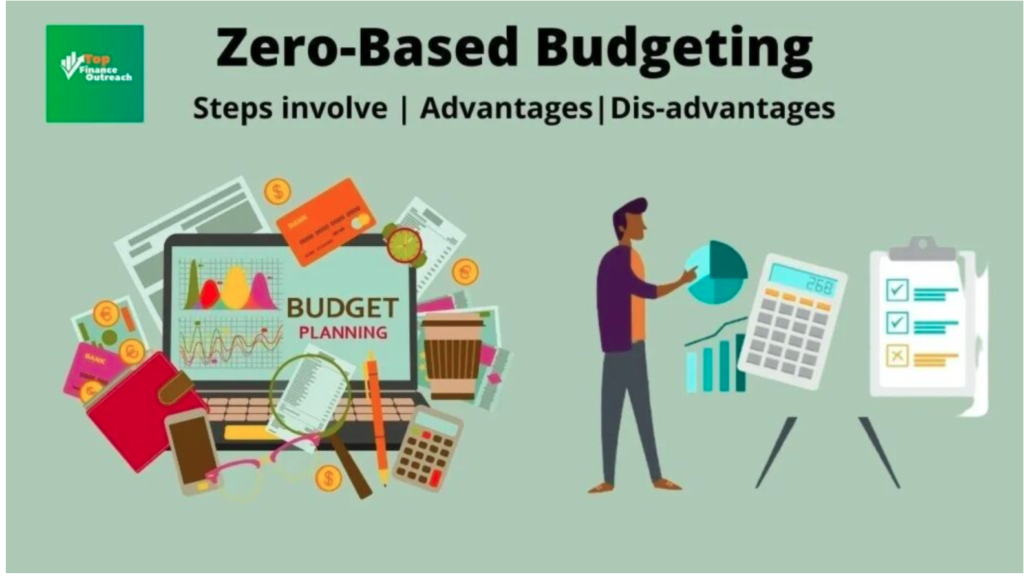
No debt repayment strategy is truly sustainable without addressing the underlying cash flow patterns that created the debt. A zero-based budget assigns every dollar of your income a purpose. Expenses, savings, or debt repayment. So that income minus expenditures equals zero.
This approach forces allocation rather than passive spending. For debt repayment, it ensures that surplus income isn’t quietly absorbed by lifestyle creep but instead directed toward balances with precision.
To implement a zero-based budget: calculate your monthly income; total all fixed and variable expenses; identify spending categories that can be reduced temporarily; and allocate every surplus dollar directly to debt repayment as a non-negotiable line item.
Best for: Everyone carrying debt. This strategy should be combined with any of the repayment methods for maximum effectiveness.
Strategy 7: Generate Additional Income Streams:
Increasing income accelerates debt repayment in a way that budget optimization alone cannot achieve. Even a modest supplemental income of $200 to $500 per month applied entirely to credit card balances can reduce repayment timelines by months or years.
Practical options include freelance work in your area of expertise, platform-based gig work, selling underutilized household assets, or taking on part-time employment. The critical discipline is directing this income exclusively toward debt repayment rather than allowing it to expand your discretionary spending.
Once your debt is cleared, those same income streams can be redirected toward building wealth. The habits you build during the repayment phase become the foundation of long-term financial security.
Best for: Anyone with skills or assets who can generate additional income without taking on unsustainable commitments.
Strategy 8: Engage a Nonprofit Credit Counseling Agency:
For individuals carrying debt that’s high relative to their income or those who have already fallen behind on payments, nonprofit credit counseling agencies offer a structured and professionally supported path forward. These organizations work directly with creditors to negotiate interest rates and create consolidated repayment plans.
Best for: Individuals with debt burdens that exceed their capacity to repay, reduced income, or those who have already missed payments and need structured creditor intervention, and calculate income growth with DRIP
How To Stay Debt-Free After Paying It Off :
Clearing credit card debt is an achievement.. Research from the Consumer Financial Protection Bureau shows that many people who pay off their balances go back to carrying debt within 12 to 18 months without a plan.
Frequently Asked Questions
How long does it take to pay off credit card debt?
It depends on your balance, interest rate, and monthly payment. Most people pay off their debt in two to four years if they pay more than the minimum.
Will paying off credit card debt improve my credit score?
Yes, it will. Credit utilization accounts for 30% of your credit score. Reducing your balances lowers your utilization ratio. Improves your score.
Is debt consolidation an idea?
It can be an idea if you qualify for a loan with a lower interest rate than your current cards. It works best with a zero-based budget that prevents debt.
What is the fastest way to pay off credit card debt?
Using the avalanche method with a balance transfer to a 0% APR card and extra income directed at repayment produces the results.
Debt Freedom Is a Decision
Credit card debt won’t go away on its own. If you don’t do anything, it will grow. With a clear plan and consistent action, becoming debt-free is possible.
For help, visit the Consumer Financial Protection Bureau at consumerfinance.gov or the Financial Consumer Agency of Canada at canada.ca/fcac.
Conclusion:
Credit card debt can quickly spiral out of control, but with the right strategies, it is entirely manageable. Whether you choose the avalanche method, snowball approach, balance transfer, or consolidation, the key is consistency and commitment. Understanding your debt, controlling spending, and increasing income can significantly speed up repayment. Just as important is building habits that prevent future debt, such as budgeting, saving for emergencies, and using credit responsibly. Becoming debt-free is not just about paying off balances. It’s about creating long-term financial stability. With discipline and the right plan, you can eliminate debt and regain full control of your financial future.