How To Start Investing In 2026: A Best Step Guide
Have you ever thought, “Should I start investing?” If yes, then you must be wondering how to start investing. In 2026, investing can be a way to earn extra income apart from your regular job. It’s not just for businessmen; anyone can invest, whether you’re a business owner, employee, or student.
Many people are afraid to invest because they think they might lose their money. The truth is, starting to invest isn’t that hard. You can start with an amount of money. Just take the step.
Before you start investing, you should know what an investment is. Investment means putting your money into something that you think will be more valuable in the future. For example, if you buy a piece of land and its value increases over time, you can sell it for a profit.
Steps For Starting A Successful Investment:

Step 1: Set Your Goal
You can’t just start investing without a plan. Set goals for yourself. What do you want to achieve through investing? How long do you want to invest for? How much risk are you willing to take?
Step 2: Clear All the Debt
Before you start investing, pay off any debts you have. Use your money to slowly pay off your debts. Once you’re debt-free, you can save money to invest.
Step 3: Save Some Emergency Funds
Don’t put all your money into investments. Life can be unpredictable. You might need some money set aside for emergencies. Save a portion of your money each month for emergency funds.
Step 4: Choose the Perfect Investment Account
There are types of investment accounts to choose from. Choose one that suits your needs. Some popular options include:
Brokerage Account: A taxable account that allows you to invest in a range of assets.
401(k): An employer-sponsored retirement account that offers tax benefits.
Step 5: Choose a Beginner-Friendly Investment
As a beginner, look for investments that’re easy to understand and require low maintenance. Some popular options include:
Types of Investment
1. Stock Investment:
Buying stocks means you’re buying a part of a company. If the company does well, the value of your stocks might increase.
2. Bond Investment:
Bonds are like debt. You lend money to a company or government. They promise to pay you back with interest.
3. Funds Investment:
Funds are a pool of money from investors. You can invest in funds or exchange-traded funds (ETFs).
4. Certificates of Deposit (CDs) Investment:
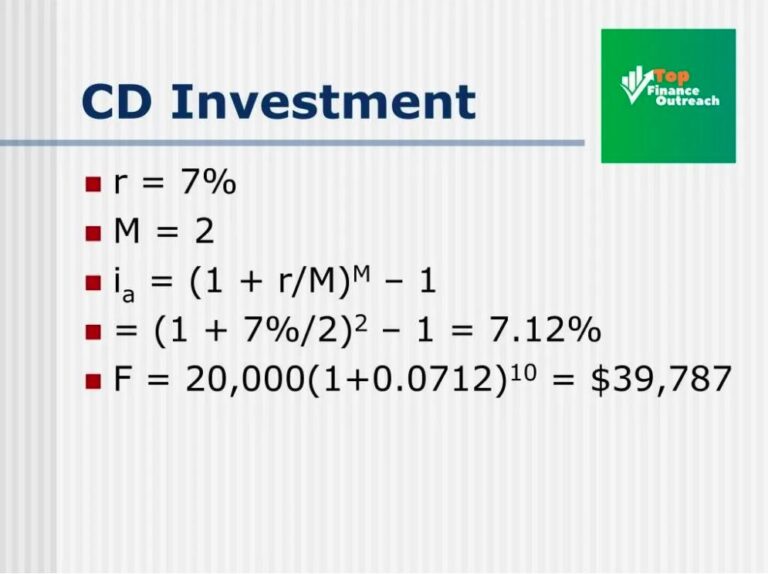
CDs are low-risk investments where you deposit money in a bank account and earn interest.
5. Commodities Investments:
Commodities are objects like metals, oil, or grain. You can invest in commodities by trading them.
Best Countries for Investments
1. United States:
The US has an economy and is a leader in innovation and marketing. You can invest in technology or biotech projects.
2. China:
China has an economy and is a manufacturing and tech powerhouse. You can invest in semiconductors, AI, or e-commerce.
3. India:
India is a growing economy with a market. You can invest in sectors, like technology or finance.
India ranks third as an investment country. It is now growing fast. Becoming a major economy. The young people aged 28 are working hard and trying to make India the best economy. So you just need to start investing early to build wealth.
- You can invest in IT and software or renewable energy.
- Major risks include tensions with China and Pakistan, and income inequality.
4. Vietnam:
Vietnam is known as a factory hub in Asia. It has labor and policies that help businesses. It gained a lot from the US-China trade changes. Has a growing digital economy.
If you want to invest, consider electronics like phones or textiles and footwear.
The main risk is infrastructure.
5. United Arab Emirates (UAE)
The UAE is a business center in the Middle East. It is famous for its luxury.
You do not have to pay a great income tax. Read our blog on why buying property in Dubai is an investment. You can invest in fintech, crypto, or luxury real estate. The major risk is tensions with Iran and Yemen.
Popular investment destinations include:
- United States: Strong economy and tech innovation
- China: Manufacturing and fast-growing tech sector
- India: Rapid economic growth and young workforce
- Vietnam: Emerging manufacturing hub
- UAE: Business-friendly environment and tax benefits
Each country offers unique opportunities and risks, so research is important.
All investments carry risks such as:
- Market fluctuations
- Economic changes
- Political instability
- Inflation
The best way to manage risk is through diversification, long-term planning, and informed decision-making.
Investing works best over the long term. Staying invested for several years allows your money to grow through compounding and reduces the impact of short-term market volatility. The longer you stay invested, the higher your chances of achieving strong returns. Yes, anyone can start investing, including students. Starting early gives you a huge advantage because of compound growth. Even small investments made regularly can grow into a significant amount over time.
Common mistakes include:
- Trying to get rich quickly
- Not doing proper research
- Investing without a plan
- Letting emotions control decisions
Successful investing requires patience, discipline, and consistency.
To become a successful investor:
- Start early
- Stay consistent
- Diversify your investments
- Keep learning about markets
- Avoid emotional decisions
Focus on long-term growth rather than short-term profits.
FAQs
What does investing actually mean?
Investing means putting your money into assets like stocks, bonds, real estate, or funds with the expectation that their value will grow over time. Instead of letting your money sit idle, investing allows it to work for you and potentially generate income or profit in the future. It is one of the most effective ways to build wealth and beat inflation.
Why should I start investing in 2026?
In 2026, investing is more accessible than ever due to technology and fintech platforms. You can start with small amounts, use mobile apps, and access global markets easily. Investing helps you:
- Build long-term wealth
- Beat inflation
- Create passive income
- Achieve financial independence
Is investing safe for beginners?
Investing always carries some level of risk, but it can be safe if done wisely. Beginners should start with low-risk or diversified investments like ETFs or mutual funds. The key is to understand what you are investing in, avoid emotional decisions, and focus on long-term growth rather than short-term gains.
How much money do I need to start investing?
You don’t need a large amount of money to start investing. Many platforms allow you to begin with a small amount. The important thing is consistency. Even small investments made regularly can grow significantly over time due to compound returns.
Why is it important to set investment goals?
Setting goals gives direction to your investments. Without goals, you may make random decisions that don’t align with your financial future. Your goals could include:
- Buying a house
- Retirement planning
- Building passive income
Clear goals help you choose the right investment strategy and risk level.
Should I pay off debt before investing?
Yes, it is generally recommended to pay off high-interest debt before investing. Debt, especially credit card debt, can grow quickly due to interest and cancel out any gains you make from investing. Once your debt is under control, you can focus on building wealth through investments.
What is an emergency fund, and why do I need it before investing?
An emergency fund is money set aside for unexpected expenses like medical bills, job loss, or urgent repairs. It is important because it prevents you from withdrawing your investments during emergencies. Ideally, you should save 3–6 months of living expenses before investing.
What types of investment accounts can I choose from?
There are different types of accounts depending on your goals:
- Brokerage Account: Flexible and allows investment in stocks, bonds, and ETFs
- Retirement Accounts (like 401(k)): Offer tax advantages and long-term growth
Choosing the right account depends on your financial goals and time horizon.
What are the best beginner-friendly investment options?
Beginner-friendly options include:
- Stocks: Ownership in companies with growth potential
- Bonds: Lower-risk investments with fixed returns
- ETFs/Mutual Funds: Diversified and easy to manage
- Certificates of Deposit (CDs): Safe but lower returns
These options help beginners start with manageable risk.
What is the difference between stocks, bonds, and funds?
- Stocks: You own a portion of a company and benefit from its growth
- Bonds: You lend money and earn interest over time
- Funds (ETFs/Mutual Funds): A mix of different investments managed together
Funds are often recommended for beginners because they spread risk.
Conclusion:
Investing is not about chasing quick profits but about building long-term financial security. No matter your income level, anyone can start investing with the right knowledge and consistency. By understanding the basics, choosing the right investment options, and staying disciplined, you can steadily grow your wealth over time. The opportunities in 2025 make it easier than ever to begin your journey. The key is to take action today rather than waiting for the “perfect” moment. Follow the guidance from Top Finance Outreach, explore smart investment plans, and commit to your financial future, because the earlier you start, the greater your rewards will be.