Negative Gearing Calculator: How to Calculate Investment Property Tax Deductions
If you own a rental property or are thinking about buying one, a negative gearing calculator is a very useful tool. It helps you understand the numbers behind your income, loan interest and tax deductions. A negative gearing calculator does one thing: it shows you the real financial situation of your investment property. This includes your estimated tax savings, annual cash flow and whether your property is negatively or positively geared.
Negative Gearing Calculator
Negative gearing happens when the income from your investment property is less than the expenses of owning it. The main expense is usually the interest on your loan. The difference between these two numbers is called a loss. You can claim this loss against your other taxable income to reduce the amount of tax you have to pay.
Here is a simple example:
- rental income: $22,000
- Total annual expenses (loan interest, management fees, rates, maintenance): $30,000
- Net rental loss: $8,000
This $8,000 loss is subtracted from your salary or wages before tax is calculated. If you earn $95,000 per year, your taxable income drops to $87,000. Depending on your tax rate, this could mean you get hundreds or even thousands of dollars back.
For example, if a $2,000 loss from gearing is in the 30% tax bracket, you could save approximately $600 in tax.
What Does a Negative Gearing Calculator Include?
A good investment property tax calculator takes things into account:
Income:
- Annual rental income
- Other taxable income (your salary, wages, business income)
Expenses:
Loan interest ( the biggest deductible item)
- Property management fees
- Council rates and water charges
- Insurance premiums
- Repairs and maintenance costs
- Depreciation on the building
- Depreciation on fixtures and fittings
Results:
- Net rental income or loss
- Adjusted taxable income
- Estimated income tax with and without the investment property
- Estimated annual tax savings
- Cash flow position (how much you have to pay out of pocket each week or month)
By putting these details into a gearing calculator, you can see if your investment is negatively geared and estimate how much of the loss you can claim as a tax deduction. This makes it easier to forecast your cash flow and understand the tax savings from your investment.
How to Calculate Negative Gearing: Step-by-Step

You do not need an accountant to do a negative gearing calculation. Here is how it works:
Step 1. Calculate Total Annual Rental Income
Add up all the rent you receive in a year.
Step 2. Add Up All Deductible Expenses
Deductible expenses include mortgage interest, insurance, maintenance and management fees. Note that you can only claim the interest part of your loan repayments, not the principal.
Deductible expenses include:
- Mortgage interest
- Insurance
- Maintenance
- Property management fees
Step 3. Find Your Net Rental Position:
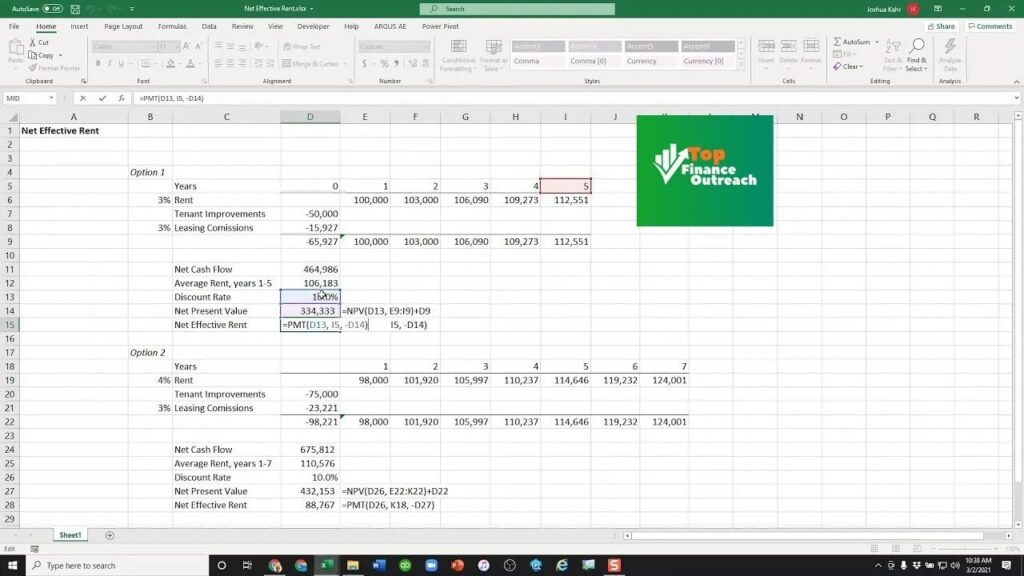
Total expenses from total rental income. If the result is negative, your property is negatively geared.
Step 4. Apply the Loss to Your Taxable Income
Deduct your rental loss from your total income from all other sources. Deduct your rental loss from your total income
Step 5. Calculate Your Tax Saving
Apply your tax rate to the reduced income figure. The difference between your tax bill before and after the deduction is your tax savings. Apply your tax rate to your reduced income.
You earn $110,000. Your investment property has a $12,000 loss. Your taxable income drops to $98,000. At a 37% tax rate, you save $4,440 in income tax for that year. You do not need an accountant to calculate negative gearing. You can do it yourself using basic calculations and knowledge of property investing.
Investment Property Tax Deductions You Can Claim
A negative gearing calculator is only as good as the deductions you put into it. Here are the deductions you can typically claim:
Deductible Expenses:
- Loan interest and bank charges
- Property management and letting fees
- Repairs and maintenance (not improvements)
- Council and water rates
- Landlord insurance premiums
- Pest control and cleaning costs
- Accounting and tax agent fees related to the investment
Depreciation Deductions
Capital works deductions. The wear and tear on the building itself is typically claimed at 2.5% per year over 40 years
Plant and equipment depreciation. Carpets, appliances, air conditioning units and other removable fixtures
What You Cannot Claim:
- Principal loan repayments
- Personal expenses not related to the investment
- Stamp duty and legal fees at purchase (these are added to the property’s cost base for capital gains tax purposes later)
- Renovation costs (these may be depreciable over time, not immediately deductible)
The tax system in Australia allows you to claim deductions for expenses like home loan interest, property management fees, repairs and rates, as well as depreciation on the rental property.
Negative Gearing vs Positive Gearing: What’s the Difference?
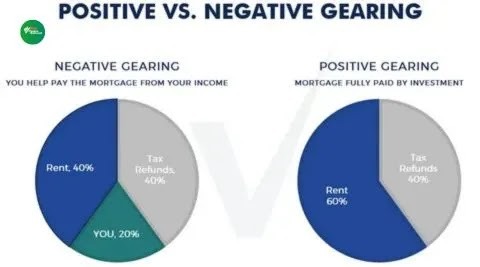
Understanding both sides helps you use an investment property calculator effectively.
A positively geared property can increase your cash flow, your borrowing power and even let you make extra repayments on your investment home loan.
Neither strategy is always better. Your income level, financial goals and property market conditions all determine which path makes sense for you.
Who Benefits Most from Negative Gearing?
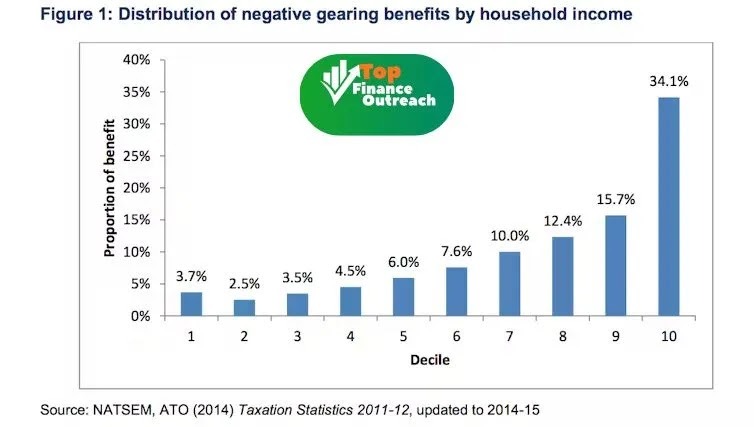
The tax benefits of gearing mainly help people with higher incomes. If your income is not high enough, it may not be for you.
| Aspect | Negative Gearing | Positive Gearing |
| Rental Income vs Expenses | Expenses exceed rental income | Rental income exceeds expenses |
| Cash Flow | Negative (you pay out of pocket) | Positive (you earn extra income) |
| Tax Position | Loss offsets other taxable income (tax benefits) | Profit is added to taxable income (tax payable) |
| Short-Term Impact | Requires ongoing cash contributions | Generates immediate surplus cash |
That said, negative gearing can still be useful across income levels when paired with strong expectations of capital growth. Nearly 70 per cent of people with geared properties had a taxable income of less than $80,000 per year, which shows that it is not just for high earners.
The strategy tends to work when:
- You have a stable income against which to offset losses
- The property is in a high-growth location
- You are investing for the medium to long term (5+ years)
- You can manage the short-term cash flow shortfall comfortably
Risks to Keep in Mind
Using a negative gearing calculator gives you clarity, but it does not eliminate investment risk. Key risks include:
- Cash Flow Pressure: You are covering the gap between rent and expenses from your pocket every month. If your circumstances change, this can become a financial strain.
- Market Volatility: Negative gearing relies heavily on the property’s growth to offset the initial losses, and the property market can be unpredictable.
- Policy Risk: Government policies and tax regulations may change over time, potentially reducing or eliminating the tax benefits associated with gearing.
- Vacancy Risk: Extended periods without a tenant directly reduce your income while your expenses continue unchanged.
Asked Questions (FAQs)
Can I use a negative gearing calculator in the UK or the US?
The concept of offsetting investment losses against other income exists in multiple tax systems, but the rules differ. In Australia, negative gearing is supported under the tax framework. In the UK and the US, similar principles apply. The rates, thresholds and deductions vary. Always consult a tax professional for advice.
Is negative gearing for property?
Negative gearing can apply to any type of investment, not housing. It can apply to shares, managed funds and other income-producing assets.
Are repayments tax-deductible, under negative gearing?
No. Principal repayments are excluded since they are not a tax expense. Only the interest component of your loan repayments can be claimed.
Can I negatively gear my home?
You cannot use a property you live in for gearing. However, if you rent out a part of your home, you can claim some of the expenses you have as the owner.
How accurate is a gearing calculator?
A calculator gives you an idea based on the numbers you put in. The results are just examples, and you should not think of them as financial advice. This is because the calculations do not take into account changes to tax laws, future changes to interest rates or your own financial situation. If you are making financial decisions, you should always get advice from a tax professional.
What is the difference between a negative gear calculator and an investment property tax calculator?
A negative gear calculator is used to see if your property is losing money and what tax deductions you can get. An investment property tax calculator does things. It can also help with things like depreciation, capital gains tax, stamp duty and rental yield.
Conclusion:
A negative gearing calculator is not just a tool for doing math. It helps you plan. It gives people who invest in property a view of their tax situation, how much cash they have and if a negatively geared strategy is really right for them. Whether you are in Australia and dealing with ATO rules, in the UK and looking at HMRC rental loss guidelines or in the US and looking at Schedule E deductions, the main idea is the same: understanding how investment property losses affect your taxable income helps you make decisions. Before you start any investment plan, use the calculator to get started. Talk to a qualified tax adviser or financial planner to check your numbers and make a plan that is right for you.