
How To Save Money Fast: Smart Tips & Tricks
Do you always run out of money by the end of the month? Or in an emergency, you feel helpless because you never try to save money for such a situation? It may happen to all of us. Whenever we try to stabilize our financial condition, the best way we see is how to save money fast. In this fast-money world, not only are industries developing, but the prices of everything are also reaching their peak.
But is it easy for a student who is managing his studies with a part-time job? Or for employees from middle-class families? For such people, the best way to survive in this highly priced government is to save as much as they can. Furthermore, there is a misconception among people that saving is the most difficult task a person can do.
So, get ready as Top Finance Outreach has brought you some of the wonderful tips on how to save money fast and become financially stable throughout your life. High-interest debt can destroy your financial progress, so it’s important to follow proven strategies. Check out our complete guide on how to pay off credit card debt fast for a step-by-step plan.
8 tips for how to save money fast
The following tips are going to change your life completely. So, let’s dig in:
Tip # 01: Making a budget plan
Making a tight budget plan is the most crucial step for you in this process. With the help of a budget plan, you will keep yourself on track.
Tip # 02: Try the 50-30-20 Rule
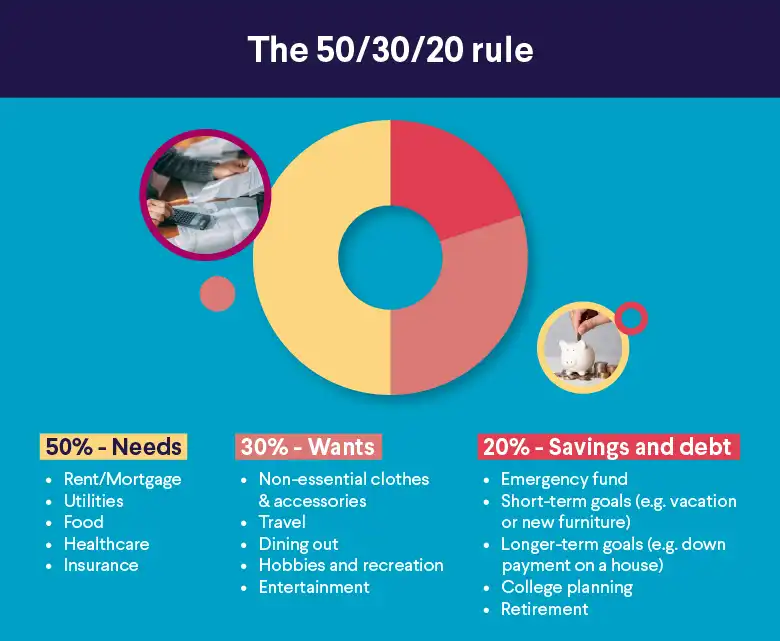
If you are getting confused in making a budget for your month, then try the 50-30-20 rule. This rule will help you make a budget plan.It’s better to start investing in your 20s to be able to not only save money but also increase your pocket size to beat inflation.
Tip # 03: Set saving goals to boost your savings

Saving can be a difficult task if you just add the money to a savings account without having a specific task in mind. And because of this, sometimes you feel fed up with this and will get bored easily. So, to keep continuing this process, set some savings goals in your life. For instance, you set a goal of having a car by using some amount from your savings by the end of two years. This thing will help you keep saving every month because now you have certain things in mind that you want to accomplish.
Tip # 04: Make an automated transfer of money
Automated transferring makes life so easy, especially when you need clear financial records for DWP bank account checks. You just have to link your current account with your savings account, and voilà—all set. Every time you get your salary or benefits, the fixed amount for your savings will be deducted from your current account and directly sent to your savings account.
This approach stops you from overspending money and safely transfers your income to your respective accounts. It also helps when DWP checks bank accounts, as automated transfers create a transparent trail of your financial activity. If you’re claiming Universal Credit or other means-tested benefits, this clear record shows legitimate money management and makes it easier to report savings accurately. With everything automated and traceable, you’ll stay organized whether it’s for personal budgeting or benefit compliance.
Tip # 05: Try to buy in bulk
Buying things in bulk can also help you save some extra money. Suppose you want to go grocery shopping on the 1st of the month. Then, before going to the market, make a list of all the necessary things that you will use the whole month. Try to minimize your list as much as you can and add only those things that will be in your use for the whole month. After this, buy those things in bulk like rice, Florence, spices, etc. Buying things in bulk can reduce your shopping costs. And eventually leads to extra savings that you will save money because of bulk buying.
Tip # 06: Keep track of your spending
Saving can be a tough task for you if you don’t know how much you are spending. Or at what places do you spend your money? So, for this situation, try to keep track of your spending. You can either digitally write all the spending in your notebook, or you can even use a SCHD Calculator to see your passive income. Through this method, you will always be well aware of where you are spending your money.
Tip # 07: Reduce your electricity bills
In the process of how to save money fast, saving electricity can also help you. Buying and keeping your electricity bills down will help you save money, making your savings process fast. Switch lights, fans, or PowerPoints off while not in use. Minimize the use of TV and switch to mobile network data from the internet. Use energy-saving bulbs in your house. Secondly, use energy-efficient appliances in your kitchen. These will help you save electricity and reduce your bills.
Tip # 08: Pay off your debt as soon as possible
Debt can eat your soul out. It’s a burden that will take you to the grave until you pay it. So, the first thing after saving an awesome amount is to try to pay off all the debt that you have. After this, you will be free from the burden. If you don’t want to use your savings, you can work part-time or can get money from part-time jobs.
FAQS
What is the most effective way to start saving money quickly?
The most effective way to start saving money fast is by combining multiple strategies instead of relying on just one. Begin by creating a clear budget to understand your income and expenses. Then identify unnecessary spending and cut it immediately. At the same time, automate a portion of your income into a savings account so you don’t have to rely on willpower.
How does creating a budget help in saving money faster?
A budget acts as a financial roadmap that shows exactly where your money is going. Without it, you may unknowingly overspend on small, frequent expenses that add up over time. By creating a budget, you can allocate money toward essential needs, limit spending on wants, and prioritize savings.
What is the 50-30-20 rule, and how can it improve my savings?
The 50-30-20 rule is a simple budgeting method that divides your income into three categories: 50% for needs (like rent, food, and bills), 30% for wants (entertainment, shopping), and 20% for savings and investments. This rule helps you maintain balance in your financial life while ensuring that saving is always a priority. If you want to save faster, you can adjust the percentage.
Why is it important to set specific saving goals?
Saving without a goal can feel meaningless and demotivating. When you set specific goals—like buying a car, building an emergency fund, or traveling,you give your money a purpose. This makes it easier to stay committed and avoid unnecessary spending.
How does automating savings help build financial discipline?
Automation removes the need to manually transfer money, which often leads to delays or skipped savings. When your savings are automatically deducted as soon as you receive your income, you are left with only the amount you can spend.
Is buying in bulk really a smart way to save money?
Buying in bulk can be a highly effective way to reduce costs, especially for items you use regularly, like groceries, household supplies, and non-perishable goods. Bulk purchases often come at a lower price per unit, which means long-term savings.
Why is tracking daily spending important for saving money?
Tracking your spending gives you full awareness of your financial habits. Many people lose money through small, unnoticed expenses such as snacks, subscriptions, or impulse purchases. By recording every expense,either manually or through apps, you can identify patterns and eliminate unnecessary costs. This awareness helps you make better decisions and ensures that more money is directed toward your savings goals.
How can reducing electricity usage contribute to faster savings?
Reducing electricity usage lowers your monthly utility bills, which directly increases the amount you can save. Simple actions like turning off unused appliances, using energy-efficient bulbs, and limiting unnecessary usage can lead to noticeable savings over time.
Should I focus on saving money or paying off debt first?
A balanced approach works best. Start by building a small emergency fund to handle unexpected expenses. After that, prioritize paying off high-interest debt, such as credit card balances, because interest can quickly grow and reduce your ability to save.
How does debt affect long-term financial stability?
Debt can significantly slow down your financial progress because a portion of your income goes toward interest payments instead of savings or investments. High-interest debt, in particular, can trap you in a cycle where it becomes difficult to move forward financially.
Conclusion
Saving money fast doesn’t require drastic sacrifices. It requires consistency, awareness, and smart habits. By creating a budget, setting clear goals, automating savings, and reducing unnecessary expenses, anyone can take control of their finances. Small steps like tracking spending, buying in bulk, and cutting utility costs can make a big difference over time. Most importantly, staying disciplined and avoiding debt helps build long-term financial stability. Whether you’re a student or a working professional, the key is to start now and stay consistent. With the right approach, saving money becomes easier and leads to a more secure and stress-free future.