Home Addition Cost: The Budget Affection In 2026
You have been thinking about adding a room to your home addition cost for months. Maybe you want a kitchen or a private room for your office. When you ask how much it costs to add a room to your home, the answers you get are all different.
This is because the cost of a home addition really does vary. There are reasons why the cost is different for each home. If you understand what these reasons are, you can plan better. Not just a guess.
According to the information, home additions cost usually cost between $21,000 and $160,000. The average cost is around $51,000. Adding a small room and adding a whole second floor are very different things. Let’s look at what affects the cost of a home addition cost so you can build smarter.
Scope Cost Of A Home Addition In 2026: The Foundation Of Your Budget
The more it costs. But here is something that many homeowners do not know: the cost per foot often goes down when the project is bigger.
A small room like a sunroom might cost $150 to $200 per square foot. A bigger room, like a family room, might cost $100 to $140 per square foot. This is because the cost of permits, design, and preparation is spread out over square feet.
Here are some examples to keep in mind:
- A simple bedroom addition might cost $9,600 to $24,000
- A family room addition might cost $17,300 to $43,200
- A kitchen addition might cost $48,000 to $95,000
- A second-story addition might cost $100,000 to $160,000 or more
The scope of the project is not about the size. It is also about what the room needs. A bedroom is simple. A bathroom or kitchen needs plumbing, electricity, and ventilation, which adds to the cost.
Type Of Addition: What Room You Are Building Matters
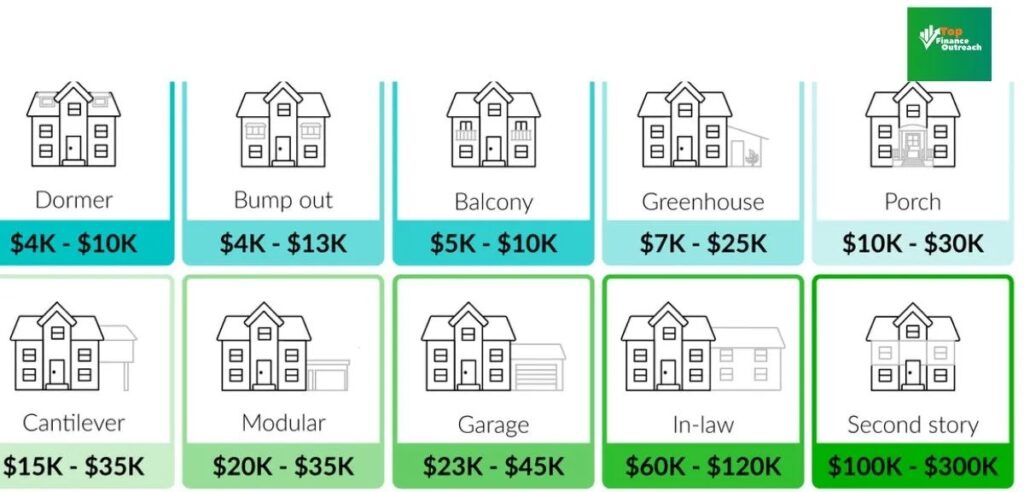
Different rooms have costs. This is one of the important things to consider when planning a home addition cost.
The type of room you are building affects the cost. Here are some examples:
- A bedroom might cost $9,600 to $24,000
- A bathroom might cost $20,000 to $90,000
- A kitchen might cost $48,000 to $95,000
- A sunroom might cost $25,000 to $80,000
- A second story might cost $100,000 to $160,000 or more
Labor Costs: Your Largest Single Expense
Labor is usually the cost when building a home addition. It can be 40% to 60% of the cost.
Labor costs vary depending on:
- Where you live
- The time of year
- The type of work being done
- The complexity of the project
Your contractor usually takes 10% to 30% of the cost as their fee. On top of that, you might need to pay for an architect, which can cost $2,400 to $14,000.
It is an idea to get at least three written estimates from different contractors. Do not just compare the cost. Compare what is included in each estimate. and using a different calculator.
Location: Where You Build Affects the Cost:
Where you live affects the home addition cost. Labor costs, material costs, and permit fees are all different in parts of the country.
For example:
- In New York City, the cost per foot might be $200 to $600 or more
- In Chicago or Philadelphia, the cost per foot might be $100 to $500 or more
- In areas, the cost per square foot might be $80 to $150
The cost of living in your area affects the home addition cost. This includes labor costs, permit fees, and inspection requirements. Economic conditions and financial trends also influence construction costs. Are you thinking about the home addition cost? You are not alone. Thousands of homeowners search for home addition cost estimates every day before starting their project.
The average home addition cost in 2026 ranges from $21,000 to
$160,000. This depends on the size, type of room, location, and materials you choose. Understanding the home addition cost before you start helps you plan better.
Whether it is a bedroom, kitchen, or second story, knowing the home addition cost in advance saves you from surprises. At Top Finance Outreach, we break down the real home addition cost. factors so you can budget smartly and build confidently.
Materials & Finishes: Where Your Vision Meets Your Budget:

The materials you choose for your home addition affect the cost. The difference between budget materials and luxury materials is big.
On a project, the materials you choose can double or quadruple the cost. Here are some examples:
- Flooring: basic laminate vs. White oak flooring is a big difference in cost
- Cabinetry: stock cabinets vs. Custom millwork can add $20,000 to $60,000 to the cost
- Windows and doors: double-pane vinyl vs. Custom wood-clad windows
- Roofing materials: asphalt shingles vs. Architectural or standing-seam metal
- Exterior siding: vinyl vs. Fiber cement vs. Brick or stone veneer
It is a good idea to spend money on the things that matter most, like kitchens and bathrooms, and save money on less important things.
Foundation & Structural Requirements:
How your addition connects to the existing house affects the cost. This is something you will not know until a contractor looks at your house.
Building out vs. building up is a decision. The soil conditions on your property also matter. If you need to dig because of clay or rock, the foundation cost can go up. Home additions cost follows the same core construction process as new builds, including site preparation, foundation work, framing, and finishing. To understand how residential construction works from the ground up, you can refer to this detailed overview of home construction.
Permits, Zoning, & Local Regulations:
Many homeowners forget about permit costs until they get the bill.
Building permits can cost $150 in some areas and $7,500 in big cities. The average cost is around $1,300.
Permits also affect how long the project takes. In some areas, you need to get permits, which can add weeks or months to the project.
Zoning Laws Can Also Affect:
- How far can your addition extend toward the property line
- How tall can your addition be
- Whether you can add a unit
- What your addition has to look like in the areas
Never skip getting permits to save money. This can cause problems when you sell your house.
Utilities: Plumbing, Electrical, & HVAC:
If you add a kitchen, bathroom, or laundry room, you need to extend your utility systems. This can add a lot to the cost.
Here are some examples:
- Plumbing: depends on how the new room is from the existing plumbing
- Electrical: If you need to upgrade your panel, it can cost $1,500 to $4,000
- HVAC: if you need to add ducts, it can cost $2,000 to $5,000 or more
Each utility system needs a special permit and a licensed professional. Make sure to budget for these costs. Planning financially can reduce stress.
Timing & Market Conditions:
When you build can affect the cost. Construction costs go up and down with the seasons and the economy.
For example:
- Building in the winter can be cheaper because there is competition for contractors
- Material costs can go up and down with global supply chains
- After the pandemic, construction demand went up, which made labor costs higher
If you can, it is an idea to build during the off-season, like January to March, to save money on labor and materials.
ROI & Property Value Consideration:

The cost of a home addition is not about how much you spend. It is also about how much value it adds to your house.
Here are some examples:
- A primary suite addition can add value to your house
- A bathroom addition can add a lot of value to your house
- A kitchen expansion can add a lot of value to your house if it is done well
- A second story can add a lot of value to your house in areas where land is scarce
Before you start research how much similar houses in your area are worth. If you add much to your house, it might not be worth as much when you sell it.
Expert Insight: What Experienced Contractors Say, To understand better investment strategies,
Contractors say Two Things That Homeowners Do Not Think About:
1. You need to budget for unexpected costs. This is usually 10% to 20% of the cost.
2. If you make changes to the plan after construction starts, it can cost a lot more than if you had planned it from the beginning. It is an idea to work with an architect or designer before you start building.
FAQs:
What is the average cost per foot for a home addition?
The average cost per foot is $80 to $200. Complex additions like kitchens or second stories can cost $250 to $500 per foot or more.
Does a home addition cost increase property taxes?
Home addition cost can affect your property taxes. It is a good idea to research how much your property taxes will increase before you start building.
Yes, in places, adding square footage to your home will increase the value of your home, which means you will have to pay more property tax. You should talk to your tax people before you start building.
How long does it take to finish a home addition?
Most of the time, it takes 3 to 6 months to finish a home addition after you get the permit. If you are adding a new floor or a lot of rooms, it can take 6 to 12 months. Sometimes things like getting the materials and waiting for permits can make it take longer.
Can I save money by being my boss for the home addition project?
Yes, you can try. It is a big risk. You have to know how to deal with the workers, schedule inspections, and get the permits. If you make a mistake, it can cost you more money than you would have paid someone to do it for you. Most people are better off hiring someone who is licensed to do the job.
What kind of home additions are the best to get your money back?
Adding a bathroom, making your kitchen bigger, or adding a whole new floor in a city usually gives you the most money back. Adding a living space like an apartment is also a good idea in areas where a lot of people want to rent.
Conclusion:
The cost of a home addition is not just about one thing; it is about a lot of things, like how big it is, what kind of room it is, where it is, who is building it, what materials you use, getting permits, and when you do it. The people who do not go over budget are not the ones who found the person to do the job.
They are the ones who did their research first, understood everything, got a lot of quotes, and made a plan before they started building. Whether you live in New York, London, Toronto, or Sydney, every dollar you spend planning before you build will save you three dollars when you are building.
This is not just something people say; it is what really happens when you talk to contractors and architects. You can also explore financial planning tips to better prepare your budget.